If you’ve ever walked into a supplement aisle or scrolled through fitness TikTok, you’ve probably seen people talking about creatine — usually with a shaker bottle in hand and promises of better workouts and faster gains.
And honestly? They’re not wrong. Creatine is one of the most researched and effective supplements for muscle strength, recovery, and endurance. But there’s still a lot of confusion out there — especially about how much you should take, how to take it, and which form actually works best.
After years of trying different forms myself (and doing a little too much research), here’s what you really need to know about creatine dosage, hydration, and the pill vs. powder debate — plus a look at one formula that gets it right: GLDN Root Creatine + HMB.
How Much Is 5g of Creatine, Really?
You’ll often hear fitness experts talk about taking “5 grams of creatine per day.” But what does that look like?
In simple terms:
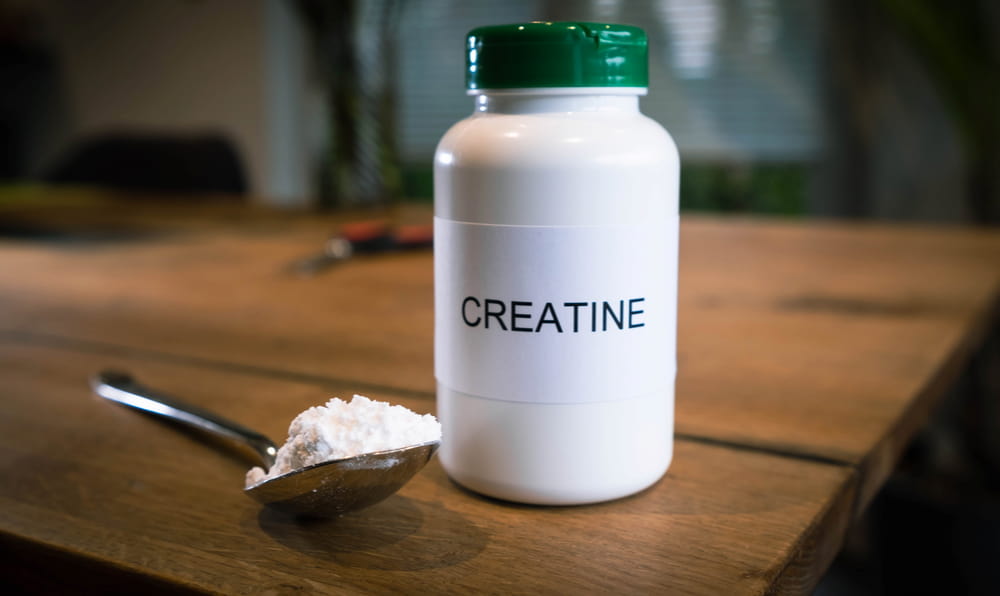
👉 5 grams of creatine = about 1 level teaspoon of most creatine monohydrate powders.
If you’re using a supplement that includes other ingredients (like HMB, Vitamin D, or electrolytes), always check the label — the serving size might vary slightly.
GLDN Root Creatine + HMB, for example, delivers 5g of creatine monohydrate per scoop, paired with HMB (a compound that reduces muscle breakdown) and Vitamins D3 and K2 to support bone and muscle function. So you’re getting the full effective dose, but with added benefits for strength and recovery.
How Much Water Should You Drink with Creatine?
Here’s where a lot of people get tripped up. Creatine works by pulling water into your muscle cells — that’s part of how it helps you lift heavier and recover faster. But that also means hydration matters.
A good rule of thumb:
✅ Drink at least 8–10 glasses (2–2.5 liters) of water per day while supplementing with creatine.
✅ If you train intensely or sweat heavily, increase that to around 3 liters.
You don’t need to chug water the moment you take creatine — what matters is staying consistently hydrated throughout the day.
Here’s why:
- Hydrated muscles perform better. Creatine draws water into muscle tissue, which supports ATP energy production.
- It prevents “creatine bloat.” Staying hydrated helps your body balance fluid levels naturally.
- It supports digestion and absorption. Water helps dissolve creatine fully so your muscles can use it efficiently.
Personally, I mix my scoop of GLDN Root Creatine + HMB into 10–12 oz of water or a smoothie — it dissolves easily and doesn’t leave that gritty texture some cheaper powders do.
Creatine Pills vs. Powder: Which One Wins?
If you’re torn between popping creatine pills or scooping powder into your drink, here’s a breakdown of both.
| Feature | Creatine Powder | Creatine Pills |
| Absorption Speed | Faster | Slightly slower |
| Dosage Control | Adjustable (1–5g easily measured) | Fixed (usually 1–2g per pill) |
| Convenience | Requires mixing | Easy to carry |
| Hydration Needs | Mixes directly with water | Requires water separately |
| Cost | More affordable per gram | Typically more expensive |
| Best For | Gym-goers, athletes, daily use | Travel, busy routines |
If your goal is optimal performance and muscle growth, powdered creatine still wins. It’s easier to get the full 5g daily dose, it absorbs faster, and it allows you to combine it with other beneficial ingredients (like HMB or electrolytes).
Pills can be a great backup for travel days, but if you want the most efficient form, stick with powder.
Why the GLDN Root Formula Stands Out
What caught my eye about GLDN Root Creatine + HMB is how complete it feels — it’s not just about muscle growth; it’s about muscle preservation and recovery too.
Here’s what makes it special:
- 5g of Creatine Monohydrate — the research-backed gold standard for performance.
- HMB (Beta-Hydroxy Beta-Methylbutyrate) — helps reduce muscle protein breakdown and supports faster recovery.
- Vitamin D3 + K2 — promote strong bones and muscle function, particularly beneficial if you’re training hard or dieting.
- Smooth Mixing Formula — dissolves easily in water with no chalky taste.
Unlike some creatine products that focus solely on “loading” or water retention, this one emphasizes lean muscle growth, endurance, and overall vitality — which is why it’s becoming popular among both men and women looking for smarter supplementation.
How Long Until You See Results?
Creatine doesn’t work overnight, but it’s one of the fastest-acting muscle supplements when used consistently.
- Days 1–5: Muscles start saturating with creatine; you may feel slightly fuller or stronger.
- Weeks 2–3: Noticeable improvements in strength, recovery, and energy during workouts.
- Week 4+: Long-term benefits: lean muscle gain, less fatigue, and faster performance rebound.
Unlike stimulants, creatine builds its effects gradually. That’s why staying consistent with your daily 5g dose and proper hydration is key.
Common Myths (Debunked!)
❌ Creatine causes bloating.
Only when you take too much or don’t drink enough water. A balanced formula and proper hydration prevent that.
❌ Women shouldn’t take creatine.
Creatine supports lean muscle, energy, and metabolism — benefits that apply to everyone.
❌ You need to “load” creatine with huge doses.
Modern research shows a consistent 3–5g daily is just as effective as loading 20g for a week.
Final Thoughts
If you’re just getting started with creatine, keep it simple:
- Take 5 grams daily (roughly one teaspoon).
- Stay well-hydrated throughout the day.
- Choose powder over pills for faster results and easier dosing.
And if you want a formula that covers all the essentials — creatine, HMB, and vitamins for recovery and bone strength — GLDN Root Creatine + HMB is a clean, science-backed choice.
It’s not just about building muscle; it’s about keeping your body performing at its best — stronger, leaner, and ready for whatever your next workout throws at you. 💥
Did you find this helpful? Check out our other helpful articles on our website.
Read Also
- Full-Arch Dental Tourism: Why UK Patients With Severe Bone Loss Are Looking Abroad
 Dental implants have become one of the fastest-growing segments of private dentistry. Within that market, one patient group behaves very differently from the rest: people who have been told they do not have enough upper jawbone for conventional implants. For these patients, the choice is rarely between one clinic and another. It is between a… Read more: Full-Arch Dental Tourism: Why UK Patients With Severe Bone Loss Are Looking Abroad
 - Levels of Mental Health Care and When to Seek SupportMental health care can range from occasional outpatient appointments to 24-hour hospital treatment. The appropriate level depends on safety, symptom severity, daily functioning, medical needs, available support, treatment history and personal preferences. A licensed clinician should assess these factors rather than relying on a symptom list alone. Need help now? In the United States, call… Read more: Levels of Mental Health Care and When to Seek Support
- How to Choose a Shilajit Brand Based on the ResearchIn a randomized trial published in the Journal of the International Society of Sports Nutrition in 2019, 63 active men took 250 mg of standardized shilajit, 500 mg, or a placebo every day for eight weeks, and the benefit for strength retention after a fatiguing workout appeared only at 500 mg. For anyone choosing a… Read more: How to Choose a Shilajit Brand Based on the Research
- How to Incorporate Relaxation into Your Busy ScheduleFinding balance when you have a packed daily agenda often feels out of reach. Between work duties, family obligations, and personal projects, personal rest usually gets pushed to the bottom of the list. Small, intentional shifts in daily habits can help restore calm without requiring hours of extra free time. Continue reading to discover everything… Read more: How to Incorporate Relaxation into Your Busy Schedule
- Red Light Therapy for Skin and Wellness: Meet Vital Red Light TherapyModern wellness is not always about complicated treatments or long routines. Many people are now looking for simple, convenient ways to support their skin, recovery, and overall wellness at home. One technology getting more attention is red light therapy. Red light therapy uses specific wavelengths of red and near-infrared light to support the body’s natural… Read more: Red Light Therapy for Skin and Wellness: Meet Vital Red Light Therapy
- Managing Shock Loss After a Hair Transplant: The Financial and Clinical Imperative of Post-Op CareIn the rapidly evolving landscape of private healthcare, executive leadership within cosmetic and restorative surgery clinics faces a dual challenge: maintaining strict clinical standards while maximizing patient lifetime value (LTV) and brand advocacy. As the global medical tourism and elective procedure markets expand, clinical outcome quality alone is no longer the sole differentiator for premium… Read more: Managing Shock Loss After a Hair Transplant: The Financial and Clinical Imperative of Post-Op Care
- Transform Your Skin Health: Premier Gluta IV Therapy in DubaiThis comprehensive guide explores how modern intravenous wellness treatments can help revitalize your complexion, boost immune function, and support overall cellular health. By incorporating modern IV therapy Dubai services into a routine health regimen, individuals can achieve direct nutrient absorption for optimal results. Selecting a customized gluta IV drip Dubai treatment provides targeted antioxidant defense,… Read more: Transform Your Skin Health: Premier Gluta IV Therapy in Dubai
- The Evolution of Dental Prosthetics: Innovation in Oral HealthDental replacements have improved a lot over time. Smiling, chewing, and speaking depend on having healthy teeth. When teeth break or go missing, today’s options can restore both function and confidence. Modern techniques make these replacements feel and look completely natural. Ancient Roots Of Tooth Replacement People have tried to replace lost teeth for thousands… Read more: The Evolution of Dental Prosthetics: Innovation in Oral Health